West Indies Plot Revival Amid Crisis: “A Hundred Things to Fix,” Say Legends and CWI
In the wake of one of the lowest moments in West Indies cricket history, a two-day emergency meeting of cricketing greats and administrators has resulted in a tentative roadmap to revive the sport in the Caribbean — but leaders admit the road ahead is long and uncertain.
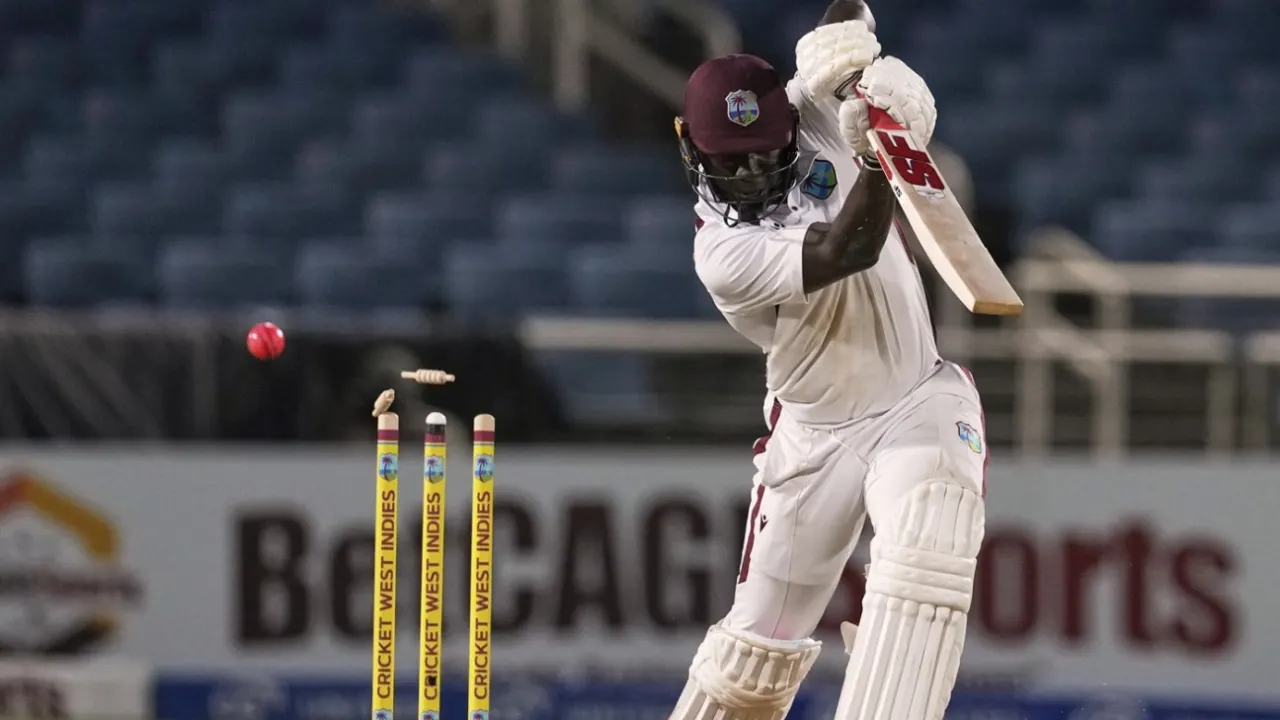
The meeting, held in Trinidad, was prompted by the West Indies men's Test team's collapse for just 27 all out against Australia last month — the second-lowest total in Test history. Attended by iconic figures including Brian Lara, Clive Lloyd, Viv Richards, Desmond Haynes, Shivnarine Chanderpaul, and current head coach Daren Sammy, the gathering aimed to address deep-rooted problems that have plagued West Indies cricket for years.
While no concrete policy changes were announced, Cricket West Indies (CWI) officials confirmed that a blueprint for change is being developed, with over 100 areas identified for improvement.
“It's a long road; it’s not going to happen tomorrow,” said Brian Lara. “It was not about the 27 runs. If it was 57 or 107, would we feel better? I don’t think so. The fact is we’ve got something to address, and for us to get back on top—or to just be competitive—we need to act quickly.”
“Not a Level Playing Field”
Lara and others noted that West Indies cricket is falling further behind its international counterparts—not just in performance but in infrastructure, technology, and player development.
“Back in the day, skill was the most important thing, and we were the best team in the world,” said Lara. “Now the game has evolved. Technology, analytics, high-performance systems—these are areas where we are far behind.”
CWI CEO Chris Dehring emphasized the systemic nature of the crisis:
“We’ve identified around 100 key areas to improve. Among the top five are: improving facilities, developing quality practice pitches, upgrading domestic tournaments, addressing skill gaps at the grassroots, and creating a high-performance culture across the region.”
Dehring revealed that plans are underway to establish a regional high-performance centre that will serve as a prototype for others across the Caribbean. These would be supported by academies to promote a unified "West Indies way" of playing cricket.
Seeking Special Support from ICC
As part of their strategic revival efforts, CWI plans to request a special financial dispensation from the ICC, citing the West Indies’ historic contributions to world cricket.
“We are not on the same financial playing field as other nations,” said Clive Lloyd. “We need help, especially considering the legacy we’ve given the game.”
Battling the Franchise Exodus
One of the toughest challenges remains player retention. Modern West Indies cricketers are increasingly choosing franchise leagues over international duty, lured by significantly higher pay and more flexible schedules.
“We’ll never be able to compete with franchise money,” admitted director of cricket Miles Bascombe. “The only currency we have is pride—pride in performance and representing the West Indies.”
Lara echoed the sentiment, saying it’s essential to understand what motivates young players today.
“It might not be about representing West Indies 365 days a year. It might be about the IPL, BBL, MLC. We need to figure out how to align those interests with West Indies’ cricketing future.”
The recent retirement of Nicholas Pooran from international cricket at just 29 highlights the issue.
“It’s unfortunate,” said Lara. “We need to understand why this is happening and find a way to retain our best talent.”
Back to the Basics
Clive Lloyd added a sobering perspective:
“People must realise that T20 is an exhibition. Test cricket is an examination. When these guys are being offered the kind of money they’re seeing now, it’s clear what direction they’ll go in.”
He stressed the need for proper coaching, mentoring, and facilities to ensure the next generation grows with both skill and national pride.
“We have to try and keep the guys we have, teach them the right things, and hope that our cricket survives.”
Conclusion
While there is no overnight fix, the collective voice of West Indies cricket legends and administrators has sent a clear signal: the region acknowledges its decline and is finally ready to tackle the crisis head-on.
Now, the challenge lies in turning plans into action—and regaining the pride and power that once made the West Indies a cricketing superpower.