BCCI Introduces Injury Substitution Rule for Multi-Day Domestic Matches
In a major step towards player safety, the Board of Control for Cricket in India (BCCI) has introduced a new "serious injury replacement substitute" rule for domestic multi-day matches, starting with the upcoming Duleep Trophy on August 28, 2025. The regulation will also apply to the Ranji Trophy, India's premier first-class competition.
The rule allows for a like-for-like substitution if a player suffers a serious external injury during the course of the game. The injury must occur during the match and must be external in nature — such as a fracture, deep cut, or a blow to the body — and not internal ailments like muscle strains.
To activate the substitution, teams will need to submit a medical report confirming the severity of the injury, after which the match referee will decide whether the replacement is permitted.
Key Provisions of the Rule
-
The substitute must be a non-playing member of the squad, nominated at the time of the toss.
-
The replacement must be like-for-like, based on role and playing style.
-
If a wicketkeeper is injured and there is no keeper among the nominated substitutes, the match referee may allow a specialist keeper from outside the nominated group.
-
Both the injured player and the replacement will be considered as having officially played the match for records and statistics.
Background and Rationale
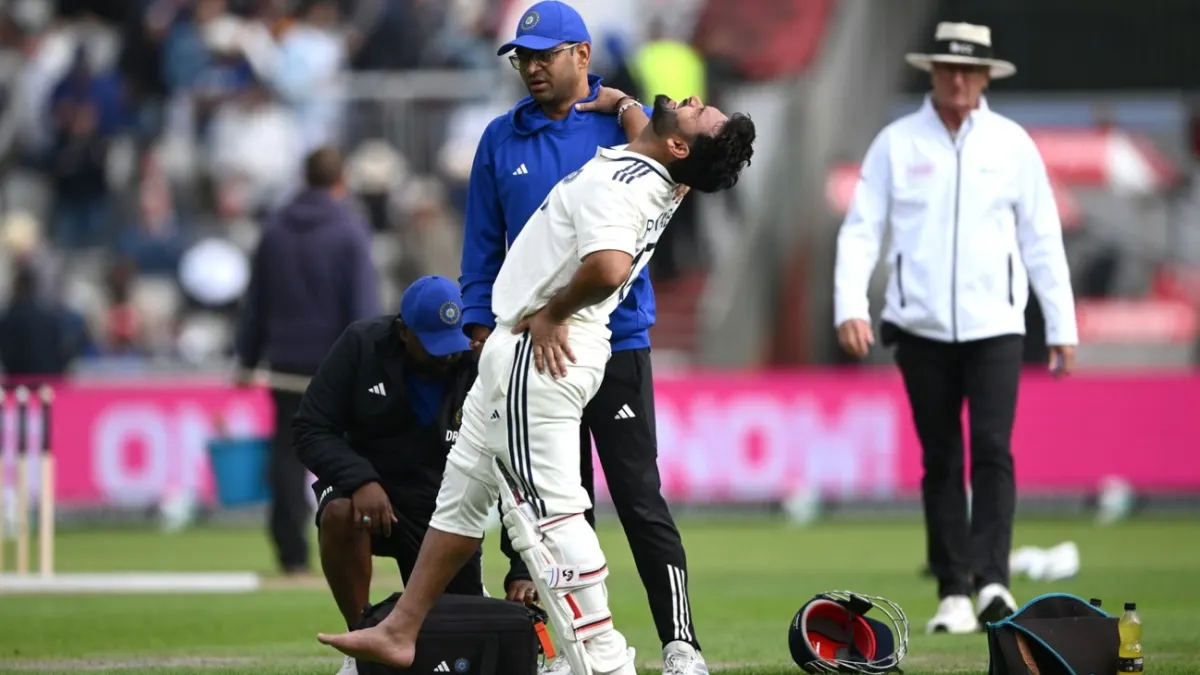
The move comes in the wake of increasing concern over players continuing to play despite serious injuries. A recent and high-profile example was Rishabh Pant, who batted with a broken foot against England in Manchester earlier this year. Similarly, Chris Woakes of England played on with a shoulder injury during the same series, reducing both teams effectively to 10 men for long stretches.
The issue sparked debate across the cricketing world. India head coach Gautam Gambhir backed the idea of injury substitutes, citing the importance of long-term player health. In contrast, England captain Ben Stokes voiced caution, fearing the possibility of misuse or manipulation of the rule.
The BCCI’s swift action reflects its intent to prioritise player welfare without compromising on fairness or competition.
ICC’s Stance
At the international level, only concussion and Covid-19-related substitutions are currently allowed. However, the ICC is open to trials for serious injury replacements in domestic cricket, and India’s move could serve as a blueprint for other member nations.
This marks a significant shift in how the game addresses on-field injuries in long-format cricket, potentially paving the way for broader adoption at the global level.
What’s Next?
All eyes will now be on the Duleep Trophy and Ranji Trophy to see how this rule plays out in practice. It represents a progressive step forward in adapting cricket’s traditions to the demands of modern-day physical intensity and player safety.
If successful, this could lay the groundwork for similar provisions to be introduced in international Test cricket in the years ahead.