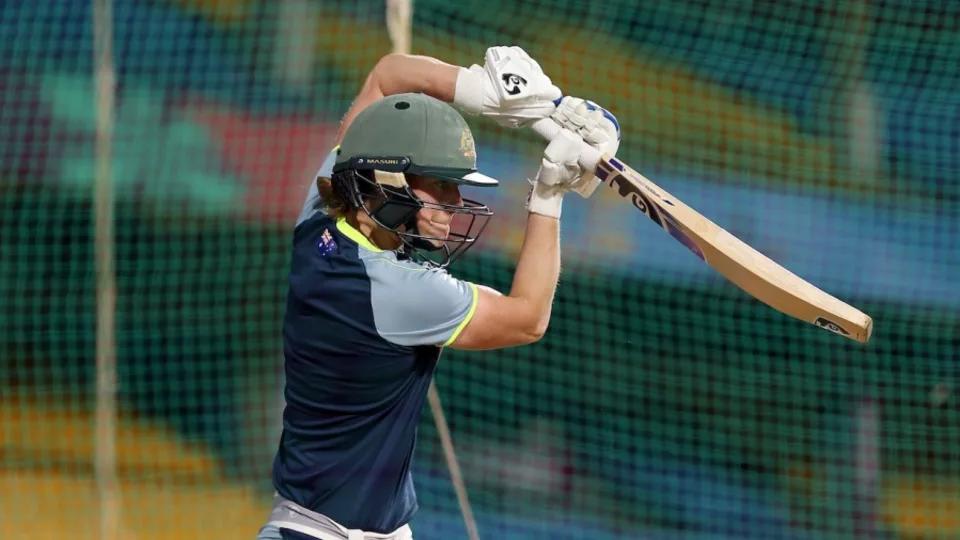
Perry, Sidra Highlight Contrasts Between Australia and Pakistan Ahead of Colombo Clash
As Pakistan prepare to face the might of Australia in the Women’s ODI World Cup 2025, both teams enter the contest in Colombo with starkly different trajectories — and mindsets. While Pakistan hope to leverage familiar, slow conditions to gain a foothold, Australia arrive as confident contenders with unmatched experience and depth.
For Pakistan’s opener Sidra Amin, the challenge is clear — Australia’s wealth of experience and structured preparation give them a distinct advantage, even on an unfamiliar Colombo surface.
“We have an edge on this wicket. We've played two games here. Australia has not played any. But they have a lot of experienced players who have played cricket in most countries. The way they assess the game is better,” Amin said ahead of the match.
Despite losing both their previous matches at this venue — to Bangladesh and India — Pakistan hope that the slower nature of the pitch could slightly level the playing field. But Amin acknowledged that Australia’s global experience still tips the balance.
“They play WBBL, the Hundred, and also come and play in Asian conditions. They prepare seriously — I've heard they train indoors in 35-40°C heat to simulate the conditions,” she added.
A Tale of Two Pathways
While both teams have played a similar number of ODIs since the 2022 World Cup — 32 for Australia and 34 for Pakistan — the quality of opposition has been vastly different. Australia have faced India and England 15 times, while Pakistan have played just four matches against those top sides, or seven if Australia themselves are included.
This difference in competitive exposure highlights a broader disparity in resources, infrastructure, and development between the two teams. And it’s this gulf that Ellyse Perry, a stalwart of Australian cricket since 2007, believes continues to fuel Australia’s dominance.
“I think we're incredibly lucky. We've got wonderful support back home, a full-time domestic structure that breeds great depth. We're a cricketing nation that loves the game, and we've always had wonderful players,” Perry said.
She credited Australia’s evolution to continued investment and a relentless drive for improvement.
“As a group, we love the challenge of finding new ways to get better. The rise of franchise leagues has also added depth to women’s cricket globally. That competition helps drive our standards up even further,” Perry noted.
Tactical Flexibility and Confidence
Despite the slow pitch in Colombo — which hasn't been kind to batting sides so far — Perry expressed confidence in Australia’s ability to adapt.
“We’ve got great depth in the batting group, and while it may not be everyone’s day, it only takes one to make a difference. Our approach is to be positive, but also adaptable and smart,” she said.
Perry emphasized that adaptability is key to Australia’s game plan, particularly when playing in unfamiliar or challenging conditions.
“There’s a blueprint that works anywhere — play positively, but read the game and the conditions. That adaptability is something we've really focused on over the last 12 months,” she added.
The Bigger Picture
This World Cup encounter is more than just a match between two teams — it’s a reflection of the contrasting paths women's cricket has taken in different parts of the world. While Australia continue to reap the rewards of long-term investment and competitive infrastructure, Pakistan find themselves trying to bridge the gap, one match at a time.
As the two sides face off in Colombo, the pitch might offer Pakistan a sliver of hope, but the broader story remains one of development, opportunity, and the pursuit of excellence — something both Sidra Amin and Ellyse Perry clearly understand, albeit from different perspectives.
Key Takeaways:
-
Sidra Amin admits Australia’s experience gives them the edge, despite Pakistan’s familiarity with Colombo conditions.
-
Australia have played fewer ODIs than Pakistan since 2022, but against much stronger opposition.
-
Ellyse Perry credits Australia's depth to strong domestic structures and a culture of continuous improvement.
-
Adaptability and positive intent remain central to Australia’s game plan, regardless of pitch conditions.
-
The match highlights the broader disparity in women’s cricket development between top-tier and developing nations.