TV Umpiring Slip-Ups Under Scrutiny at Women's World Cup 2025
The Women's ODI World Cup 2025 has seen its fair share of high drama on the field, but it's the performance of the TV umpires that has become a major talking point just over two weeks into the tournament. Multiple controversial decisions — many linked to the Decision Review System (DRS) — have placed the spotlight on the apparent inexperience of several match officials with DRS protocols.
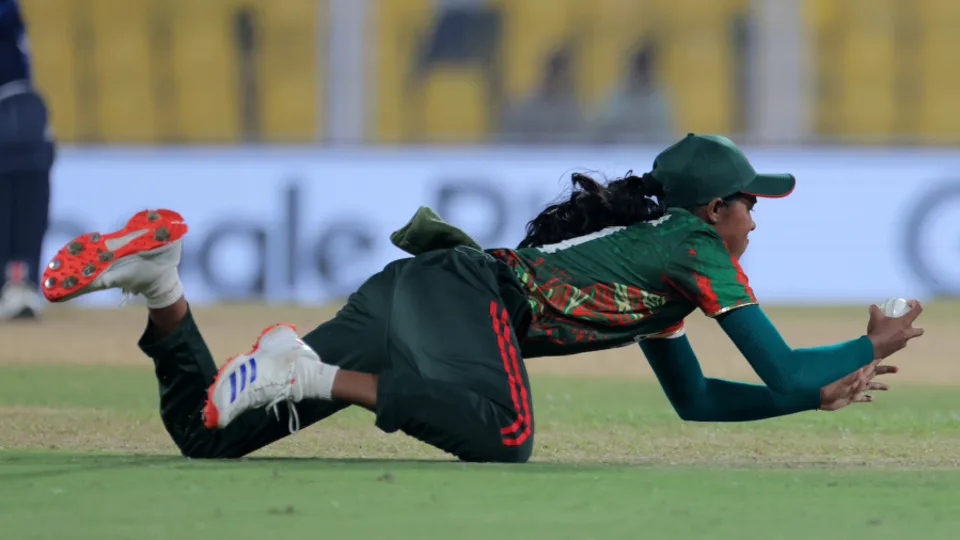
One of the most contentious incidents occurred during the England-Bangladesh clash, where England captain Heather Knight was the beneficiary of three close calls. A particularly debatable moment came when Knight, on 13, appeared to have been caught by Shorna Akter at cover. Knight started walking off, indicating she believed she was out. However, TV umpire Gayathri Venugopalan overturned the on-field soft signal, citing "inconclusive evidence" after reviewing the footage.
“There were other lbw reviews as well and Heather said, 'I've never been out so many times in a cricket match,'" broadcaster Nasser Hussain noted during a post-match discussion. Knight went on to score an unbeaten 79 and guided England to victory — a result that stung Bangladesh given the earlier reprieves.
Another confusing moment unfolded during the India-Pakistan match in Colombo, involving Muneeba Ali. Initially ruled not out by TV umpire Kerrin Klaaste, the decision was reversed after further footage revealed a clear run-out. While the correct call was eventually made, the process created confusion, prompting Muneeba and captain Fatima Sana to seek clarification from the fourth umpire.
India was again involved in a controversial review during their game against South Africa. Sune Luus survived an lbw review despite UltraEdge showing a spike, which was interpreted by third umpire Candace la Borde as an under-edge. However, side-on replays revealed the bat appeared to be away from the ball at the time, raising more questions about the consistency of DRS adjudications.
In the high-profile India-Australia match, confusion reigned again when Sneh Rana’s low catch to dismiss Alyssa Healy was initially ruled out by third umpire Jacqueline Williams after a quick review. Williams reversed her own call moments later, stating she had seen the ball touch the ground — but eventually ruled it clean without extensive replay analysis. "She just looked at it a couple of times, gut feel," said Hussain. "That always worries me."
A deeper look into umpiring records reveals a lack of DRS experience among many of the officials. Of the ten TV umpires officiating during this World Cup, only three — Sue Redfern (42 matches), Eloise Sheridan (25), and Kim Cotton (24) — have handled over 20 games with DRS in place. Others, including la Borde, N Janani, Sarah Dambanenava, Venugopalan, and Klaaste, had minimal or no prior experience as third umpires in matches using the system.
The numbers reinforce the concerns: in the 36 innings played so far in the tournament, 25 on-field decisions have been successfully overturned via DRS — a striking rate of 0.67 per innings. For comparison, the men’s 2023 World Cup in Asia had an overturn rate of just 0.46 per innings.
Despite mounting scrutiny, the ICC has not commented publicly on the officiating issues or whether any formal complaints have been lodged by teams. Umpire manager Sean Easey has been present at several venues, but there has been no indication yet of any intervention.
As the tournament progresses into its crucial stages, the hope is that umpiring standards — particularly around the use of DRS — will improve, ensuring fair outcomes and preserving the integrity of the game.