‘Snicko Needs to Be Sacked’: Ashes Umpiring Technology Under Fire in Adelaide
Edge-detection technology again dominated discussion on the second day of the third Ashes Test at Adelaide Oval, with Australia’s players and former greats voicing anger over the reliability of Snicko following a series of contentious decisions.
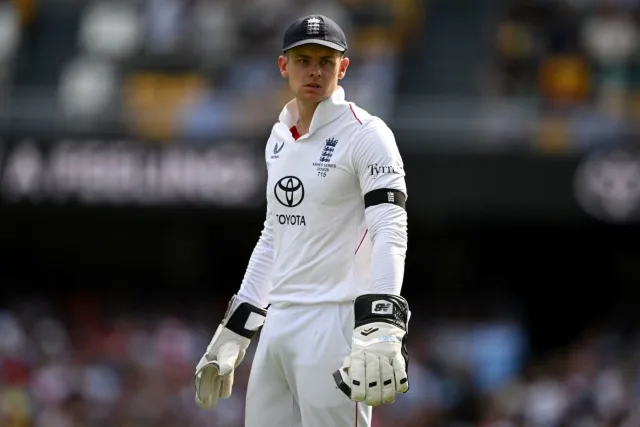
Mitchell Starc was the most vocal, calling for the Real-Time Snickometer system to be “sacked” after another disputed ruling went against Australia. The controversy followed an incident in which England batter Jamie Smith was initially given not out after a review for a possible catch at first slip off Pat Cummins’ bowling. TV umpire Chris Gaffaney suggested the ball had struck Smith’s helmet, not his glove, after consulting Snicko — a conclusion Australia strongly disagreed with.
“Snicko needs to be sacked. That’s the worst technology there is,” Starc said within earshot of the stump microphone. “They make a mistake the other day, and they make another mistake today.”
The frustration was heightened by events from the opening day, when England had a review reinstated by match referee Jeff Crowe after BBG Sports, Snicko’s suppliers, admitted operator error had led to an incorrect reprieve for Alex Carey during his maiden Ashes century. The England and Wales Cricket Board is expected to lobby the ICC to review protocols and systems following that error.
Ironically, Smith himself was later dismissed caught behind off Cummins when Snicko showed a spike one frame after the ball passed the bat — a margin deemed acceptable under current guidelines. The on-field umpires had referred the decision upstairs without offering a judgment of their own.
Former elite umpire Simon Taufel suggested the ICC’s decision to remove the ‘soft signal’ two years ago had contributed to the confusion. Speaking to Channel 7, Taufel said technology should support, not replace, umpires.
“When there’s an element of doubt with the technology, the batting side is always going to get the benefit,” Taufel said. “The game deserves better than that, and I would love to see the soft signal back in there.”
Snicko, officially known as Real-Time Snickometer, is one of two edge-detection systems licensed by the ICC, alongside UltraEdge, which is owned by Hawk-Eye. The host broadcaster selects and funds the technology, with Snicko understood to be the cheaper option.
Cricket Australia chief executive Todd Greenberg acknowledged concerns and said the organisation was seeking assurances after the initial malfunction. “The short answer is we’re not happy with it,” Greenberg told SEN Radio. “We don’t think it’s good enough, and we definitely need to be assured that it won’t happen again.”
Any changes to technology or protocols would need approval from the ICC’s cricket committee and chief executives’ committee. The ICC declined to comment when contacted.
England’s batting coach Marcus Trescothick described the situation as far from ideal and urged administrators to resolve the issue. “We’ve been on the back end of a poor one yesterday, and a few ones you question today,” he said. “It’s up to the powers that be behind the scenes to work that out.”
Former Australia captain Ricky Ponting also criticised the system, claiming it lagged behind technology used elsewhere in the world. “The umpires can’t trust it,” Ponting said on Channel 7. “That can’t happen. You’ve got to be able to trust the technology that’s in place.”
Nathan Lyon declined to comment on the controversy during his end-of-day press conference, saying simply: “I’m not going to comment on the DRS.”